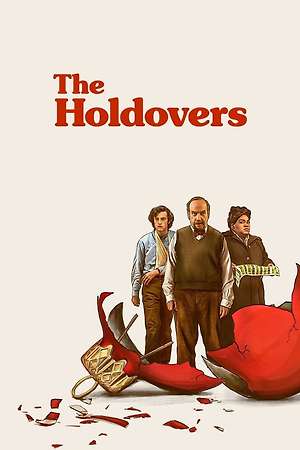
This film is everything to me and then just a little bit more!! My friend and I saw this at the cinema and honestly we had the perfect viewing experience, we’re both avid Dead Poets Society fans so this film was right up our street. Overall, I found this film beautiful, relatable, and extremely fun. The film has received widespread acclaim for its performances, direction, and nostalgic 1970s aesthetic. I found this film immensely significant and profound, the budding connection between Paul Giamatti’s character Paul Hunham and Dominic Sessa’s character Angus Tully is so fucking beautiful, it’s impossible not to fall in love with the pair when they’re on screen together. Da’Vine Joy Randolph only helps add to the immense respect and admiration I have for this film, her emotive and moving performance as grieving mother and cafeteria manager Mary Lamb.
There were multiple rich and emotionally resonant themes present throughout the film, although the one that I felt was clearest throughout the film was the theme of found family and unexpected connections. Despite their differences, the characters form an unconventional family unit. Their shared experiences help them find comfort and understanding in one another, emphasizing how connection can be found in unexpected places.
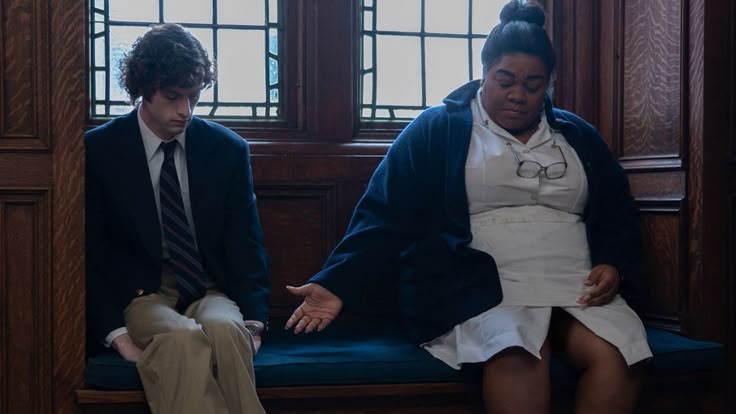
This image is rich in emotional subtext and visual storytelling, as Mary and Angus are positioned on opposite sides of the bench placing emphasis on the idea of emotional distance and isolation. As Mary (played by Da’Vine Joy Randolph) extends her hand towards Angus (played by Dominic Sessa) it suggests an offer of comfort and connection, while his body language, hunched posture, clasped hands, and downward gaze, indicates hesitation or emotional distress. The symmetrical framing of the scene paired with the wooden panelling helps create a formal, and almost claustrophobic environment, reinforcing the rigid, elite setting of Barton Academy. This captures the incredibly relevant theme of found family and unexpected human connection, both characters are grieving in their own ways, Mary for her lost son, Angus for his fractured family. This scene visually represents the tentative steps towards healing. The elite setting of the boarding school contrasts deeply with the personal and human struggle occurring within the frame, calling upon Strauss’ ideas of Binary Oppositions, alongside highlighting the film’s exploration of class, privilege, and isolation.
Another important theme within the film is redemption and second chances. Paul Hunham starts out as an unlikable and rigid teacher, but as the film progresses there is the slow reveal of vulnerability and kindness. The film suggests that people are capable of change and that redemption often comes through human connection.
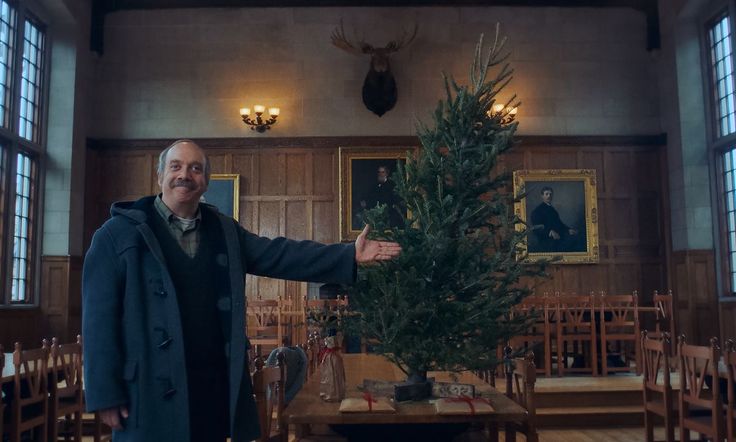
The image above offers insight into the importance of character development within the film, Paul Hunham (played by Paul Giamatti) is positioned slightly off-centre, leading the viewer’s eye towards the almost humorous Christmas tree, which becomes a focal point of melancholy. The high ceilings, symmetrical wooden panelling, and large portrait paintings create a formal and imposing atmosphere, the moose head mounted on the wall above adds a sense of irony to the scene, almost mocking the grandeur of the setting. The small lopsided Christmas tree effectively adds a sense of absurdity to the scene as it appears so out of place. This effectively detracts from the grandeur of the image as the Christmas tree adds a homely feeling to the scene. Giamatti’s body language suggests an attempt at enthusiasm (Argyle’s Body Codes) his open gesture should come across as enthusiastic, but his seemingly forced smile comes across as awkward and resigned, effectively reinforcing his character’s grumpy yet well-meaning nature.
One of the biggest strengths of the film is the exceptional performances, with each actor bringing depth, humour, and emotional weight to their roles. Dominic Sessa as Angus Tully is a performance that is exceptionally moving and equally heartbreaking and heartwarming. Despite being a newcomer to film, Sessa is able to hold his own alongside veteran actors like Paul Giamatti and Da’Vine Joy Randolph, making Angus one of the most complex and compelling characters in the movie. Sessa is able to avoid overacting and is able to instead deliver a realistic performance of teenage angst, he is moody, sarcastic but it is not overdone. As the film progresses, his vulnerability unfolds subtly, making his emotional transitions feel genuine. The student-teacher relationship is the heart of this film. At first, Angus mocks and resents Paul, but over times, they develop a mutual respect and even a father-son-like bond. The best example of this would be when Angus breaks his arm, and he is rushed to hospital by the frantic Paul.
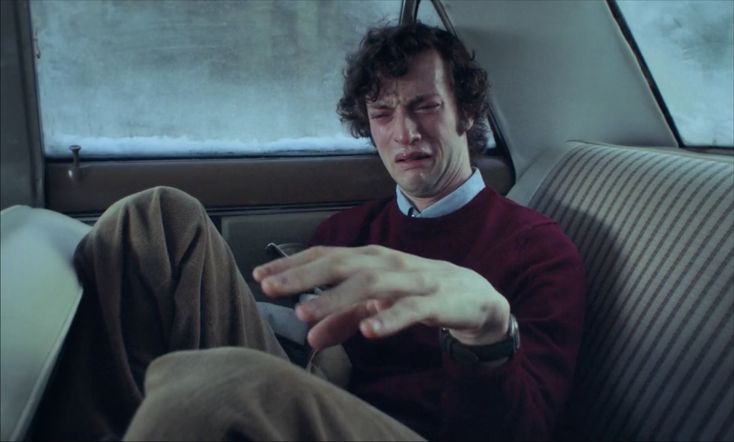
This image captures one of the most emotionally raw moments in the film, as Sessa is positioned off-centre it creates a sense of imbalance and unease. The tight framing emphasizes his emotional isolation, he is physically trapped in the backseat, this mirrors his psychological entrapment. His outstretched hand, slightly blurred, adds to the sense of chaos and uncontrolled emotion. Sessa’s costuming creates a sense of juxtaposition as his red sweater contrasts with the cold blues and greys of the car interior and snow, symbolizing internal emotional turmoil against an indifferent world. Sessa’s Body Codes (Argyle) reinforces a sense of vulnerability and helplessness, his curled-up posture connotes the idea of a child retreating into himself. This represents a turning point for Sessa’s character, he is able to face his emotions rather than masking them with defiance. It’s no surprise that Sessa’s stunning performance won him The Washington D.C. Area Film Critics Association Award for Best Breakthrough Performance.
Ultimately, The Holdovers is a deeply moving, character-driven drama that beautifully blends humour, heartbreak and nostalgia into a timeless story of human connection. At its core the film explores loneliness and isolation, each main character grapples with a loss and abandonment, making their eventual bond even more poignant. Additionally, the film suggests that the strongest connections aren’t always biological in a way that that is emotively moving and incredible. The personal growth of all the characters highlights the coming-of-age genre, highlighting that change isn’t just for the younger generations. The 70s-inspired cinematography adds a sense of warmth and timelessness, this is reinforced through the carefully selected 70s tracks bringing together the era’s mood and sentimentality. Overall, The Holdovers isn’t about big, dramatic moments, but rather small, deeply human interactions. While this may seem unconventional for a holiday film, it is able to embody the true spirit of the season, forgiveness, compassion and human connection.

 Ruby Reviews Films
Leave a comment