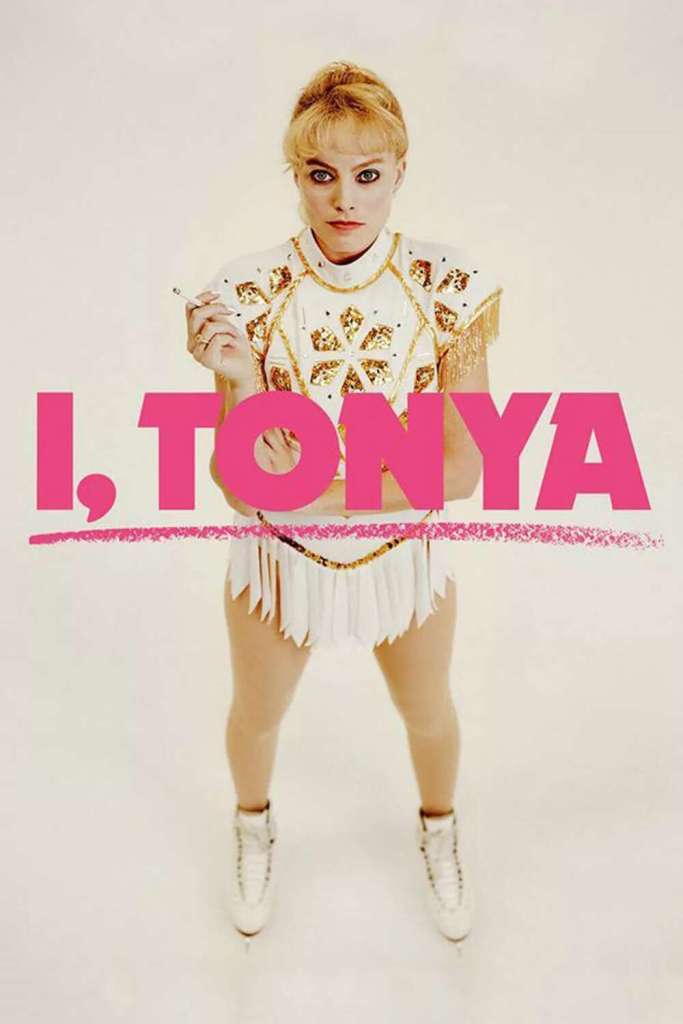
I loved this film when I saw it for the first time, and although I wasn’t fully expecting to enjoy the film as much as I did I was pleasantly surprised. As the film states it’s based on “contradictory” and “totally true” interviews with Tonya Harding (played by Margot Robbie) and her ex-husband Jeff Gillooly (played by Sebastian Stan) it suggests the two are unreliable narrators and adds another layer of intrigue to the story. The film explores Harding’s rise to fame, her busy personal life, and the infamous attack on fellow skater Nancy Kerrigan, the event that led to Harding’s fall from grace in the world of figure skating. Gillespie tells the story in a manner that focuses on the dark comedic and dramatic aspects, as Gillespie stated he believed Tonya guilty of Kerrigan’s attack but that he questioned the degree of her involvement, overall Gillespie wanted to create a story that conveyed why Tonya is the way she is.
The performances in I, Tonya are widely regarded as one of the film’s standout features, with the cast delivering powerful and nuanced portrayals of both real and complex characters. These performances are integral to the film’s success in blending humour, tragedy, and empathy, as they bring depth to the story’s controversial and multifaceted figures. Margot Robbie received widespread acclaim for her portrayal of Tonya Harding, capturing both the vulnerability and defiance of the infamous figure skater. Robbie was able to bring immense depth to the character, portraying her as a victim of abuse while also showing her ambition, resilience, and fierce determination. Gillespie showcases Harding’s resilience within the sequence where Robbie is preparing for her skating competition but then smears her makeup all over her face.
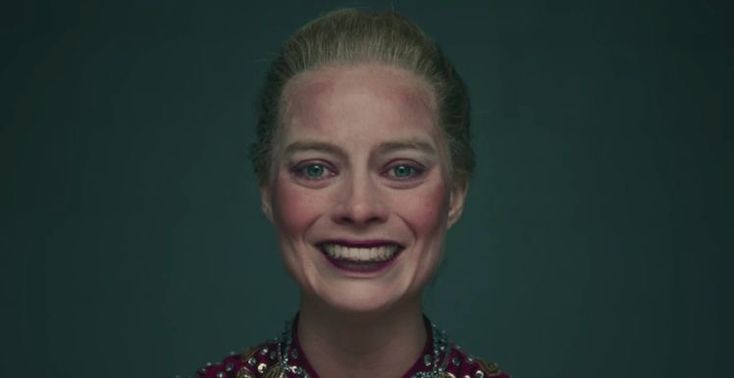
Robbie’s breaking of the fourth wall within the scene suggests the emotionality of the moment showing Tonya’s vulnerability alongside her resilience as seconds later she is out on the ice performing. Gillespie further expresses the emotionality of the scene through the use of dominant contrast, the audience is immediately drawn to Tonya’s face through the use of close up and the central framing. Furthermore, the central framing helps show the audience how different Tonya now looks showcasing the emotional and physical turmoil of growing older alongside the secret (Nancy Kerrigan) she has carried with her.
Allison Janney won an Academy Award for Best Supporting Actress for her portrayal of LaVona Golden, Tonya’s cruel and emotionally abusive mother. Janney’s performance is a highlight of the film, delivering a biting, darkly comedic, and deeply menacing portrayal of a woman who pushed her daughter to succeed at any cost. Janney infuses LaVona with a sharp sense of humour and an almost brutal disregard for Tonya’s emotional well-being. Despite the abusive nature of LaVona’s behaviour, Janney’s performance is also unexpectedly hilarious at times, making her character both terrifying and oddly entertaining.
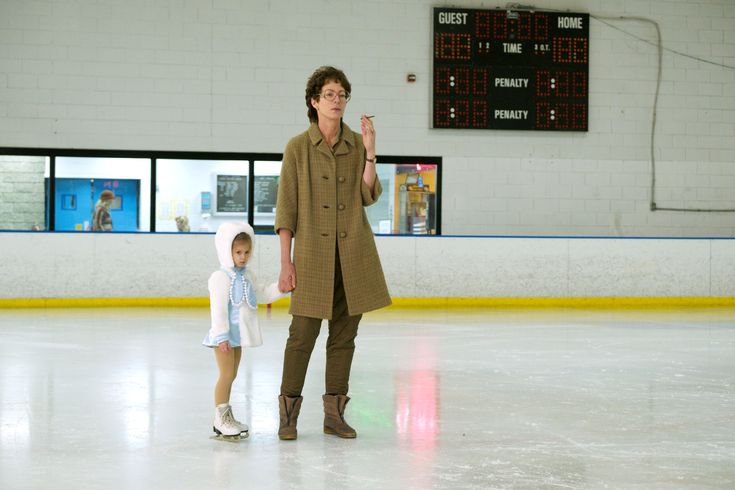
This helps portray LaVona’s disregard for Tonya’s well-being, as she has dressed her daughter up so drastically it gives a comedic edge to the film as the two characters contrast so drastically. The dramatic contrast gives the audience a sense of kiki and bouba (Ramdachan and Hubbard) there is also a sense of anthropomorphism as Tonya looks like a little rabbit, connoting that she is innocent and sweet, like a rabbit. Janney’s portrayal of LaVona’s bitterness and unfulfilled dreams provide a psychological context for her harsh treatment of Tonya. Her performance is so memorable as it is full of sharp wit and coldness, making LaVona one of the most unforgettable characters in the film.
The style and tone of the film are integral to the storytelling approach, the blending of dark comedy, satire, and drama in a way that is both entertaining and thought-provoking. The film’s distinctive visual style and narrative techniques, along with its unconventional tone, provide a fresh perspective on the infamous figure skating scandal surrounding Tonya Harding. The visual style and direction of Craig Gillespie combines realism with stylized elements, using a mixture of conventional filmmaking techniques and creative, almost documentary-like approaches. The cinematography often emphasizes the chaos and confusion of the character’s lives, with quick cuts and montage sequences that mirror the frantic pace of Tonya’s life. The film uses montage to depict Tonya’s training and performances, often set to a retro soundtrack that perfectly encapsulates the 1980s and ‘90s period.
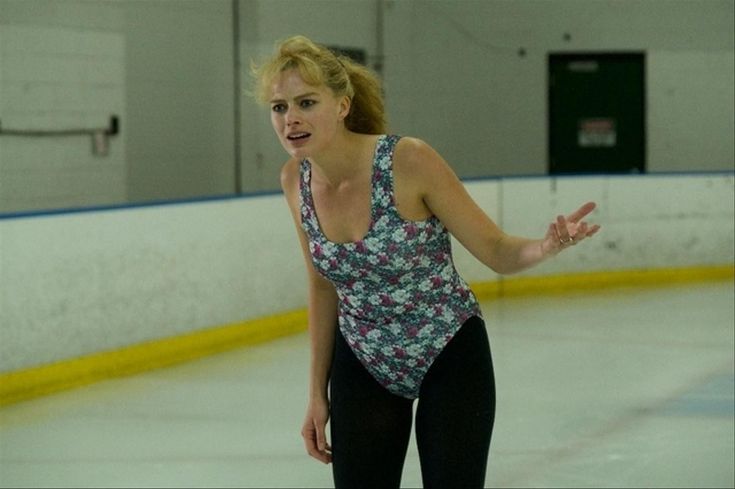
Robbie’s costuming within the picture above further solidifies the 1980-90s period of the film, the costuming conforms to the fashion stereotypes of the time. The scene is part of the training montage, suggesting the importance of training to Tonya. The music, which includes punk rock, pop, and classic songs, reinforces the rebellious, outsider aspect of Tonya’s character and adds to the film’s energetic and irreverent style. The contrast between the music and the figure skating is a perfect description of the character Tonya plays.
The film masterfully shifts between comedic, tragic, and intense emotional moments. The humour often comes from the character’s over-the-top behaviour and the absurdity of their actions, but the film doesn’t shy away from the painful aspects of Tonya’s life, such as the abuse she endured from her mother and husband. This emotional range gives the film its depth and keeps the audience engaged, as it moves from darkly humorous moments to raw, heartbreaking scenes. The tone is never static; it shifts constantly, keeping viewers on edge and constantly forcing them to reconsider their perceptions of the characters.

The emotionality of the scene is especially shown in how Robbie manipulates her face, paired with her heavy makeup it creates an image full of pity and a sense of fear as we don’t fully understand what is happening. Furthermore, the film employs satire to comment on the class and gender dynamics in both the world of figure skating and in society at large. As Tonya is a working-class woman she is constantly belittled and judged by the elites in the skating world, which is depicted as out of touch and surreal. The film critiques how gender and class intersect to shape the public’s perception of Tonya, who is constantly caught in the crossfire of being a strong, defiant woman in a world that demands women to be passive and polished.

 Ruby Reviews Films
Leave a comment