
I originally watched this film because I was bored and had seen one specific image from the film circling on my Pinterest. To be completely honest, I wasn’t that interested when the film first started. Still, it got more interesting as the film progressed. As someone who loves films about growing up and girlhood, I find this film beautifully portrays these themes. This film highlights the whimsical desire to stay young forever, but everyone has to grow up at some point, Uptown Girls shows this desire perfectly. On the flip side, the film also shows the negative effect of being forced to grow up too fast. Together Brittany Murphy and Dakota Fanning embrace the two opposing characters and create a film that suggests the power of friendship and trust.
The lighting within the film plays an essential role in setting up the mood and tone of the film, as well as highlighting the contrasting worlds of the two main characters, Molly (Brittany Murphy) and Ray (Dakota Fanning). Molly’s life is depicted in a carefree, and glamorous manner. The lighting in scenes involving her often leans toward soft and warm tones. This can be seen in the scenes inside her apartment and during moments of levity with her friends. The warm, golden hues create a sense of cosiness and richness, reflecting Molly’s privileged but carefree lifestyle.
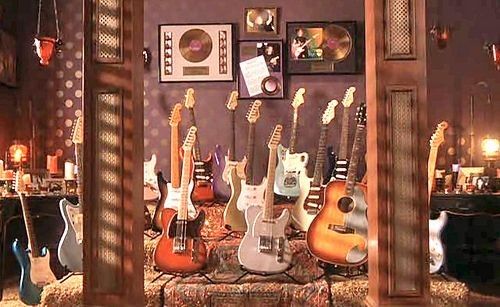
As this scene is from Molly’s perspective the lighting is warm and welcoming, an the yellowish tones suggest a sense of comfort, home, and familiarity. On the other hand, Ray’s environment is depicted with more neutral or cooler lighting, sometimes featuring harsher contrasts. The lighting in Ray’s home is frequently more sterile and subdued, reflecting the emotional distance in her family life and her more structured, controlled existence.
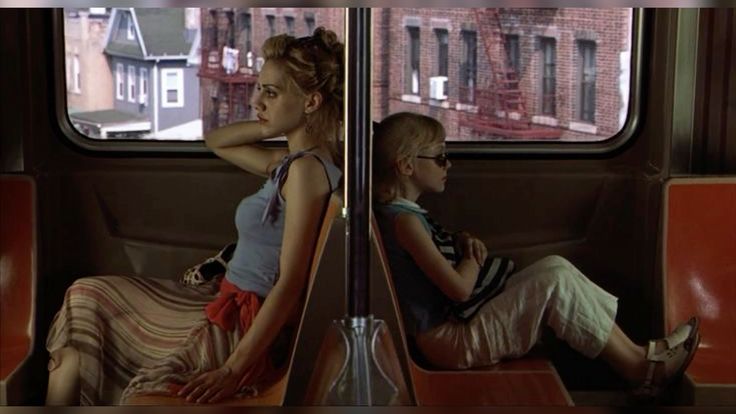
This showcases the emotional and physical barriers between the characters highlighting the differences within their individual colour palettes. As they sit facing away from one another, with the added barrier of the bus divide it suggests the binary opposition (Strauss) of the characters. The contrast between high-key and low-key writing in both character’s lives emphasizes the differences in their lifestyles and emotional states.
As the two characters grow closer, the lighting becomes more natural and balanced, reflecting the warmth and growth in their relationship. There are scenes #outside or in more relaxed settings, where natural light enhances the sense of authenticity and emotional depth of their connections. The lighting in Uptown Girls is used symbolically. An example of this is when Molly learns to grow and take on responsibility, the lighting in her scene subtly shifts from the carefree warmth of her earlier days to becoming a more grounded and less idealised look, representing her personal growth and maturing journey.
The teacup scene is a memorable moment, highlighting the relationship between the two main characters although this scene is towards the end of the film it highlights how close Molly and Rae have become implying how much the two now rely on and care for each other. The two characters have previously visited the teacups in the fairground, the fact they are shut implies that Rae and Molly are still acting their opposite ages. It is Molly’s idea to come to the fairground and she has no idea the rides are all shut, Rae is a clean freak, and she is determined not to eat the hot dog Molly buys her highlighting how oppositional the two girls are.
Later in the film Rae’s decision to run away and go on the teacups (like what Molly did when she was younger) suggests the impact Molly has had on her life as finally, she is acting her age, Yakin showcases this through the fact Rae has run away from her fear and sadness (her dad’s death) and gone to a place that the audience assumes is somewhat comforting. Furthermore, there is a sense of juxtaposition within the scene as Rae is so sad while the setting (the funfair) is full of life, joy, and happiness. When Molly arrives at the funfair it suggests how close the two have become, this allows the audience to see the extent of impact Molly has had on Rae. This is further highlighted within the scene on the teacup. There are stunning close-ups of Molly and Rae on the teacups which imply the emotionality of the scene.
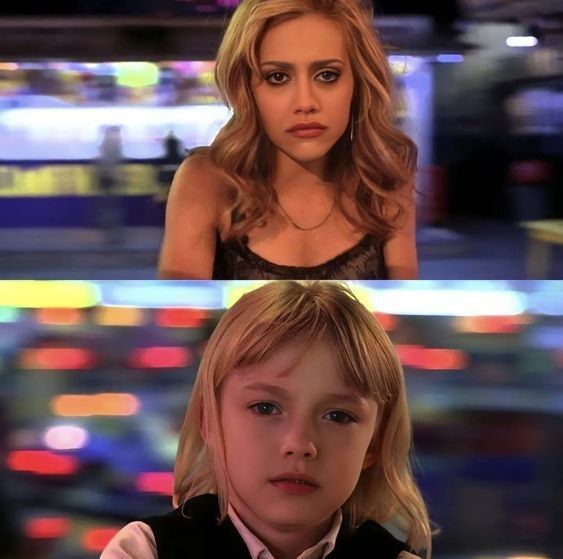
As Molly and Rae both being the the centre of the shot it highlights the importance they hold to the story, the use of a blurred background and the POV shots creates a subjective sense of familiarity and transition. Furthermore, suggesting the transition that Molly goes on, she is now seen as an adult. Moreover, the score (Jeffery J. Goldsmith) within the sequence creates a visceral feeling that aligns with the film’s whimsical feeling alongside creating a sense of sadness. Overall, this film celebrates the difficulties of growing up and finding yourself, it highlights the beauty of having a role model even if they aren’t always perfect.

 Ruby Reviews Films
Leave a comment